
Postpartum Wellness & Mental Health Support
THE BAG BLOGS · WELLNESS EDUCATION · FROM THE CLINICIANS
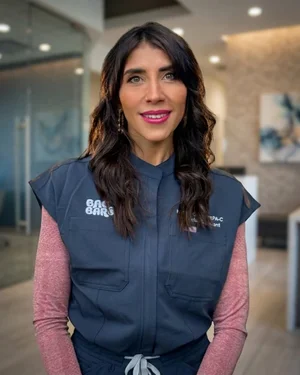
Written by Nadine Gonzalez, MS, PA-C · CEO, Founder of Bag Bar | Red Bank, NJ | August 2026 | 3 min read
Somewhere between the 2am feedings and the pile of laundry that never seems to shrink, new mothers are told a lot of things about what they "should" be feeling. Grateful. Glowing. Fine. The truth is more complicated, and it deserves to be talked about honestly.
Postpartum depression has been in the national conversation again lately, and for good reason. It's a real, common, medically recognized condition, not a character flaw and not something a new mom can simply push through. If you're a new mom reading this, or you love one, this post is for you.
Taking care of yourself after having a baby isn't optional, and it isn't selfish. It's part of taking care of your baby.
What New Moms Are Actually Up Against
It helps to know the difference between what's common and what needs immediate attention:
- The baby blues affect up to 80% of new mothers. Weepiness, mood swings, and anxiety in the first two weeks after birth, driven largely by the hormone shift after delivery. This typically resolves on its own.
- Postpartum depression (PPD) is different. It affects roughly 1 in 7 new mothers, according to the American College of Obstetricians and Gynecologists, and it can show up anytime in the first year after birth. Persistent sadness, hopelessness, trouble bonding, withdrawal, changes in sleep or appetite beyond what's typical for a newborn household. PPD is treatable, and treatment works.
- Postpartum psychosis is rare, occurring in roughly 1 to 2 out of every 1,000 births, but it is a medical emergency. Confusion, hallucinations, paranoia, or delusions in the days or weeks after birth need immediate medical attention. This is not something to wait out.
None of this is about blame. It's about recognizing that the postpartum period is a major physiological and emotional transition, and that asking for help during it is a sign of strength, not weakness.
If You're Struggling, Please Reach Out
If you are a new mom and something feels off, mention it to your OB/GYN or your baby's pediatrician at your next visit, or sooner. You do not have to wait for your six-week checkup to ask for help.
- Postpartum Support International Helpline: 1-800-944-4773 (call or text)
- 988 Suicide & Crisis Lifeline: call or text 988, available 24/7
- Your OB/GYN or midwife can screen for PPD and connect you with treatment, therapy, and medication options that are safe for breastfeeding if needed
Physical Recovery Matters Too
Mental health support is the priority, and it's not the whole picture. The postpartum body has been through blood loss, fluid shifts, sleep deprivation, and often breastfeeding, all of which draw heavily on hydration and nutrient stores. Feeling physically depleted doesn't cause PPD, but it can make an already hard season feel even heavier, and rebuilding that foundation is part of taking care of yourself as a whole person.
That can look like a lot of things: a solid meal you didn't have to cook, fifteen minutes alone with your coffee still hot, a walk outside, a nap while someone else has the baby, or hydration and nutrient support for the days your body needs a boost. It looks different for every mom, and it's worth figuring out what actually helps you.
Whether or not it's with Bag Bar, it's crucial to take care of yourself as a new mom.
Our house call hydration and vitamin support is one option some of our Monmouth County moms use as part of their physical recovery, brought to your home so you don't have to pack up a newborn to get it. It's not a treatment for postpartum depression, and it's never a substitute for talking to your doctor. It's simply one small piece of self-care available if and when you want it. If that's useful to you, our team, overseen by our physician medical director, is here. If what you need right now is rest, a therapist, or a call to your OB, that matters more, and we hope you make that call.
Frequently Asked Questions
What's the difference between the baby blues and postpartum depression?
The baby blues are short-lived mood swings in the first two weeks after birth that resolve on their own. Postpartum depression is longer-lasting, can begin anytime in the first year, and needs evaluation and treatment from a healthcare provider.
How common is postpartum depression?
According to the American College of Obstetricians and Gynecologists, postpartum depression affects roughly 1 in 7 new mothers, making it one of the most common complications of childbirth.
Where can a new mom get help right away?
The Postpartum Support International Helpline (1-800-944-4773) and the 988 Suicide & Crisis Lifeline are both available 24/7. An OB/GYN, midwife, or pediatrician can also screen for postpartum depression and provide a referral.
Can IV hydration therapy treat postpartum depression?
No. Postpartum depression is a medical condition that requires evaluation and treatment from a licensed healthcare provider, which may include therapy and medication. IV hydration and vitamin therapy can support physical recovery and hydration in the postpartum period, but it is not a treatment for depression or any mental health condition.
Sources: American College of Obstetricians and Gynecologists (acog.org), Postpartum Support International (postpartum.net), CDC Division of Reproductive Health. This post is educational and not a substitute for medical advice. Content reviewed for clinical accuracy by Bag Bar's physician medical director.